
Impact of Water Sweat and Perfume on Your Precious Jewellery
Jewellery is more than just an accessory; it reflects your style and holds sentimental value. But everyday factors like water, sweat, and perfume can quietly damage your pieces, especially if you wear them daily. Understanding how these elements affect your jewellery helps you protect your investment and keep your favourite pieces looking fresh and beautiful.

How Water Affects Jewellery
Water is unavoidable in daily life, whether from washing hands, rain, or swimming. But water exposure can cause several issues:
Tarnishing: Metals like silver react with oxygen and moisture, leading to tarnish, which appears as a dull, dark layer.
Corrosion: Some metals, especially those mixed with lower-quality alloys, can corrode when exposed to water frequently.
Gemstone Damage: Porous stones like pearls and opals absorb water, which can weaken their structure or cause discoloration.
Loose Settings: Water can weaken glue or settings holding stones, increasing the risk of losing gems.
For example, silver jewellery worn during monsoon often shows faster tarnishing due to constant moisture. Even gold, though more resistant, can lose its shine if exposed to chlorinated or salty water.
Tips to Protect Jewellery from Water
Remove jewellery before showering, swimming, or washing dishes.
Dry jewellery thoroughly if it gets wet.
Store pieces in dry, airtight containers to reduce moisture exposure.
The Effect of Sweat on Jewellery
Sweat contains salt, oils, and acids that can react with metals and stones. The phrase sweat and jewellery often signals trouble for delicate pieces.
Metal Discoloration: Sweat can cause metals to darken or change colour, especially alloys with copper or nickel.
Skin Irritation: Some metals react with sweat and cause skin allergies or rashes.
Gemstone Damage: Sweat’s acidity can dull the surface of softer stones like turquoise or emeralds.
Build-up: Sweat mixed with dirt can create a residue that dulls jewellery’s shine.
Urban Indian women who wear jewellery daily, especially in warm climates, often notice these effects. For instance, a gold-plated bracelet may lose its coating faster due to sweat exposure.
How to Minimize Sweat Damage
Clean jewellery regularly with a soft cloth.
Avoid wearing jewellery during intense workouts or hot weather.
Choose anti-tarnish or sweat-resistant jewellery designed for everyday wear.

Perfume and Its Impact on Jewellery
Perfumes contain alcohol and oils that can cause perfume damage jewellery if sprayed directly on pieces.
Metal Corrosion: Alcohol in perfumes can erode metal surfaces, especially plated jewellery.
Stone Discoloration: Oils and chemicals can dull or stain gemstones.
Loss of Shine: Repeated exposure to perfume reduces the sparkle of diamonds and crystals.
Weakened Settings: Some perfumes can degrade adhesives used in costume jewellery.
For example, spraying perfume directly on a delicate necklace can cause the metal to lose its polish and the stones to look cloudy over time.
Best Practices to Avoid Perfume Damage
Apply perfume before putting on jewellery.
Let perfume dry completely before wearing pieces.
Wipe jewellery gently after exposure to perfume.
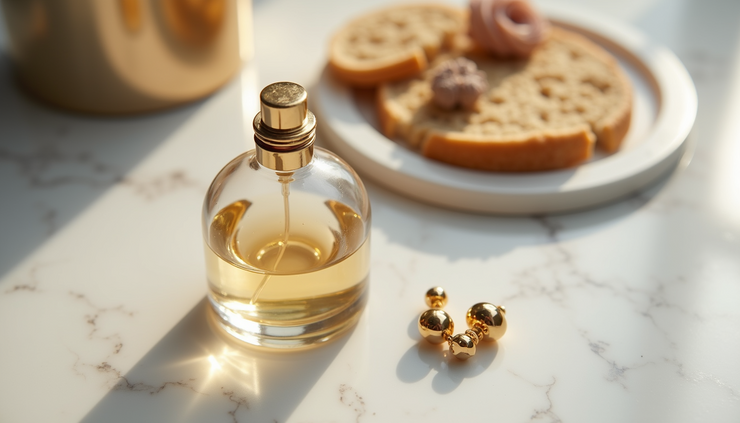
Choosing Jewellery for Everyday Wear
Urban women looking for jewellery that withstands sweat, water, and perfume should consider:
Materials: Opt for solid gold, platinum, or stainless steel which resist tarnish and corrosion.
Coatings: Look for anti-tarnish coatings or rhodium plating.
Design: Simple designs with secure settings reduce risk of damage.
Maintenance: Regular cleaning and proper storage extend jewellery life.
Brands offering anti-tarnish jewellery specifically designed for everyday use can be a smart investment for busy lifestyles.
Caring for Your Jewellery Daily
Remove jewellery before activities involving water or sweat.
Store pieces separately to avoid scratches.
Clean jewellery with mild soap and water or jewellery cleaner.
Avoid harsh chemicals and direct perfume sprays.
By following these steps, you can keep your jewellery looking new and avoid common problems caused by sweat and jewellery interaction or perfume damage jewellery.


Comments